

A year in review
The highs and lows; the peaks and troughs

We can’t quite believe we’ve been writing this blog for a year now. Forgive our self indulgence while we review the highs and lows of our first year of blogging.
In this social media age, the place to start is which of our posts were most read. Our most prolific guest blogger Caroline, with her Poplar group’s knitting of air data, received by far the most clicks - 1050. What’s your secret Caroline? Of those penned by us, our launch blog has had 443 over the course of the year. Next come our Air Aware Wrapped post with 260 and Unhealthy Environments with 239. Great posts or just that people had more time to read over Christmas, we wonder?
One thing we’ve loved is the opportunity to have guest bloggers bringing different perspectives. As well as Caroline, who also penned this blog about her exhibition, we’ve enjoyed Ben’s about red routes and Julia’s about air quality art. We know we have a few readers who are tempted to guest blog too - please join us!

Base:data
The original idea of this blog was to talk about the data from our Brixton node. However, as our loyal readership knows, the saga of getting the node installed only concluded in October! However, Sacha has been playing to our tech audience with a series of posts about software development. First, experiments with ObservableHQ, then fine tuning of the data visualisation, next some under-the-hood work to enable scaling up the data platform and then a shift to a React platform. We were then able to use these to delve into what the data is telling us: about school runs, alerts, wood burning; and finally we were able to start analysing the data from Brixton. We had a look at how people interact with air quality information. The year ended with launch of our map platform including Wrapped, which we put out on Christmas Eve.
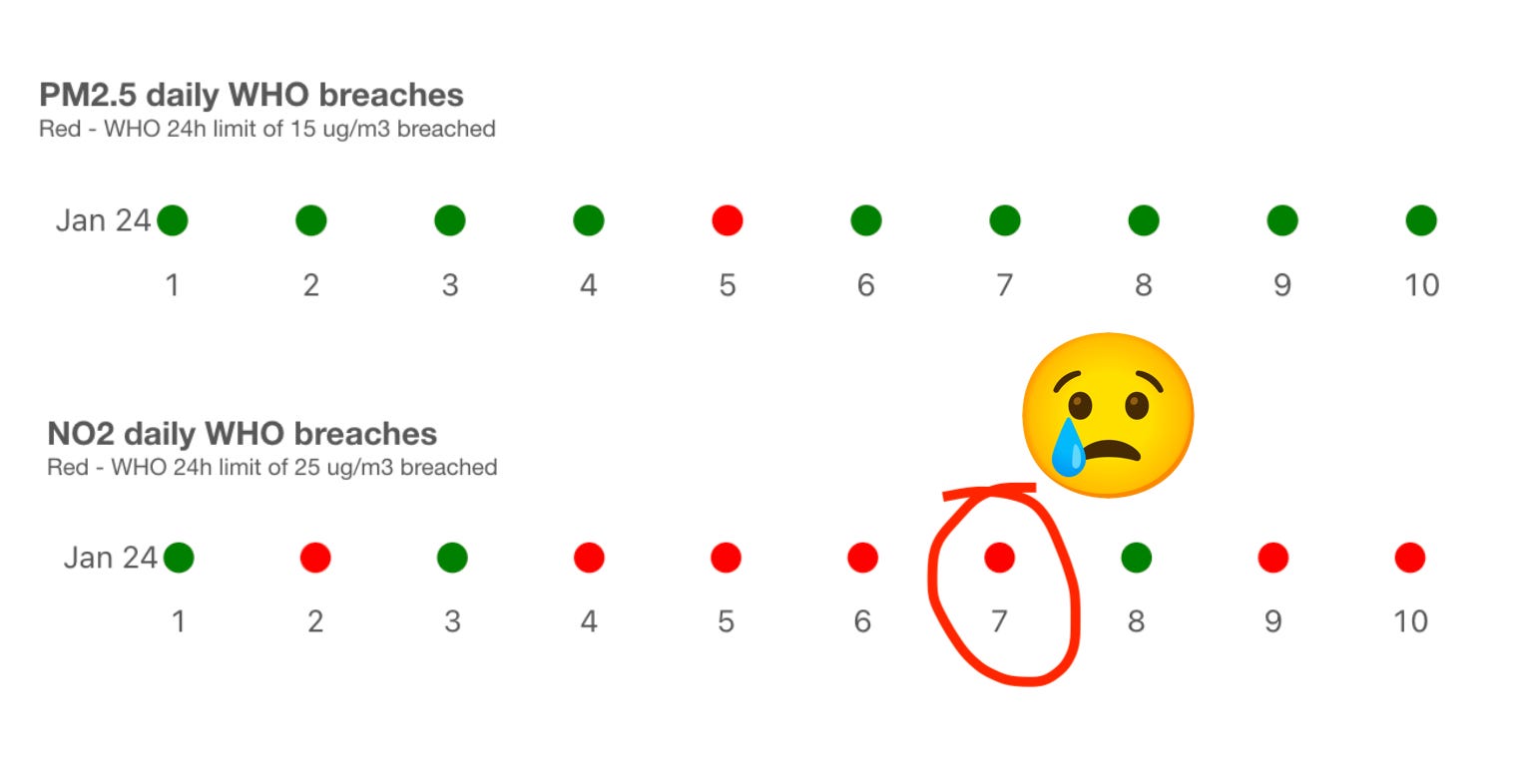
Data sells. And it was our post about nitrogen dioxide levels in Brixton that got us on the front page of the Brixton Bugle. This showed that we’d met the World Health Organisation guidelines for maximum annual breaches of the daily limit within the first 10 days of January. We’ve also been featured in Air Quality News. From the outset, we have tried to get our heads around how the data is measured then explain as clearly as possible, including our Air Quality 101.
Think global act local
We’ve tried to be not just local but international in our blog. This started with a review of the air quality situation in Paris while we were there for the weekend, which inspired us to do a comparison post with other big cities: Lahore and Sydney. The blog briefly turned into a bit of a travel blog over the summer with posts from Spain, Japan and South Korea. Louise remembers fondly her time living overseas and couldn’t resist some brief mentions to Bogota and Addis Ababa. We are not planning long-haul travel this year, so further international posts will be through online research!
Which takes us onto the drivers of public policy towards air quality… You’ll have heard a lot about global WHO guidelines and targets. National governments then decide how to interpret these in law, but ultimately it’s local government with most of the levers. One of our least clicked posts (!) was on local Air Quality Action Plans (we blame the lack of fun title rather than the contents). Policies are enacted at hyper local level, including school streets, the reason Louise got into this topic. We covered (somewhat controversial) London-wide policies in our review of Sadiq Khan’s book launch and an update on the expansion of the Ultra Low Emissions Zone. Having covered Clean Air Day in June (which we still think doesn’t get the attention it deserves - Clean Air Night similarly), we looked at how to campaign well, a topic inspired by a trip to Bromley*. Khan’s book wasn’t our only literary blog: we also reviewed Tim Smedley’s Clearing the Air, which was fascinating on the impact of public policy. Finally we went global again with a review of air quality issues at the climate change COP (Conference of the Parties), having summarised how climate and air policies are connected.
Impact metrics
Right from our 101 we’ve delved into the impact of poor air quality. The effect on children is obviously close to our hearts. We also exercise outdoors, so have looked at the impact on runners and on elite performance. As we learnt more and more about the science behind this, we tried to summarise this (without depressing everyone too much) on health and non-health impacts. Every day we learn more about the associations with almost every health condition as well as behaviour, labour productivity and even academic performance.
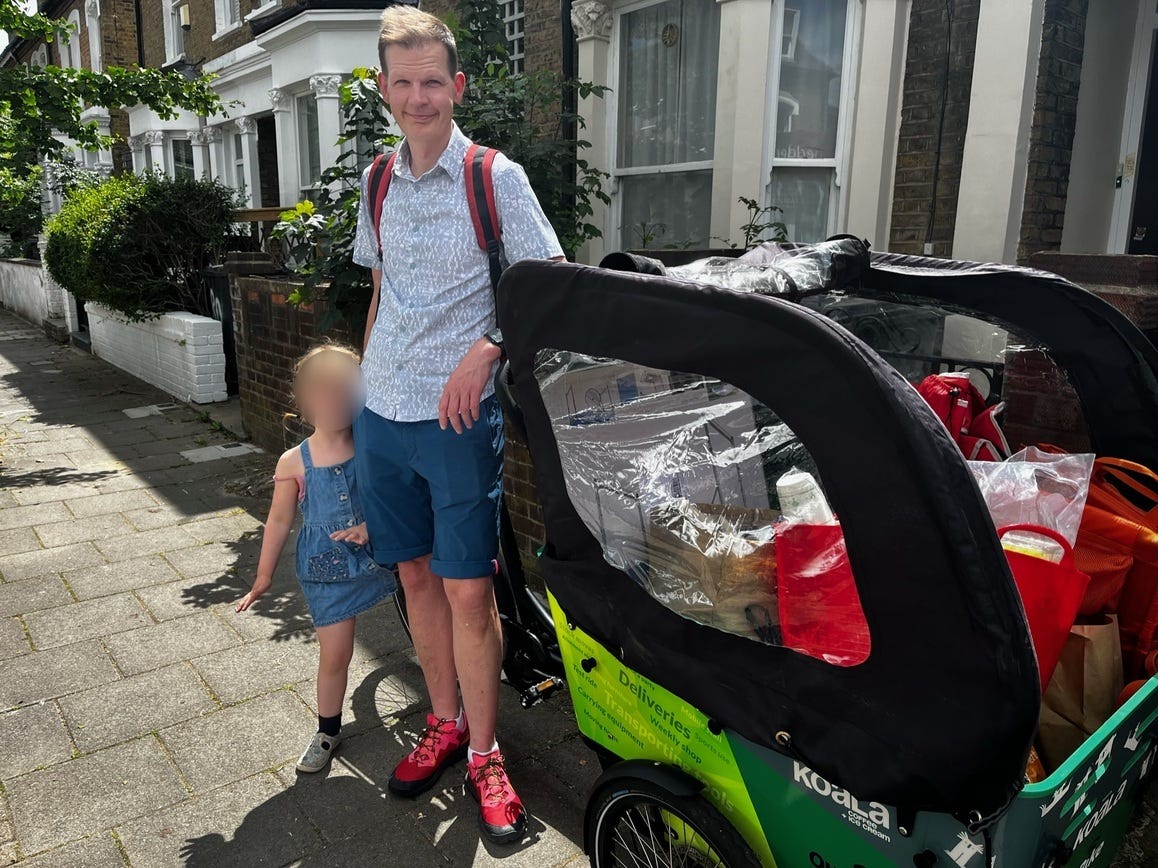
But what can we do? Don’t we just have to live with it? We hear this a lot so have tried to address this. In particular, choice of travel can both reduce emissions for others and limit your own exposure to pollution. The story on electric vehicles is not straightforward, which is why this blog on EVs is probably the one we link back to the most. A bit more upbeat - e-cargo bikes are one of the best local innovations around. Not many people know about how weather interacts with pollution (we didn’t before we started this journey). We also covered some of the concerns about cycling, showed data of a different type with information about travel modes on our street, and ended the year with a review of the best ways to travel around London.
Leaving the best till last
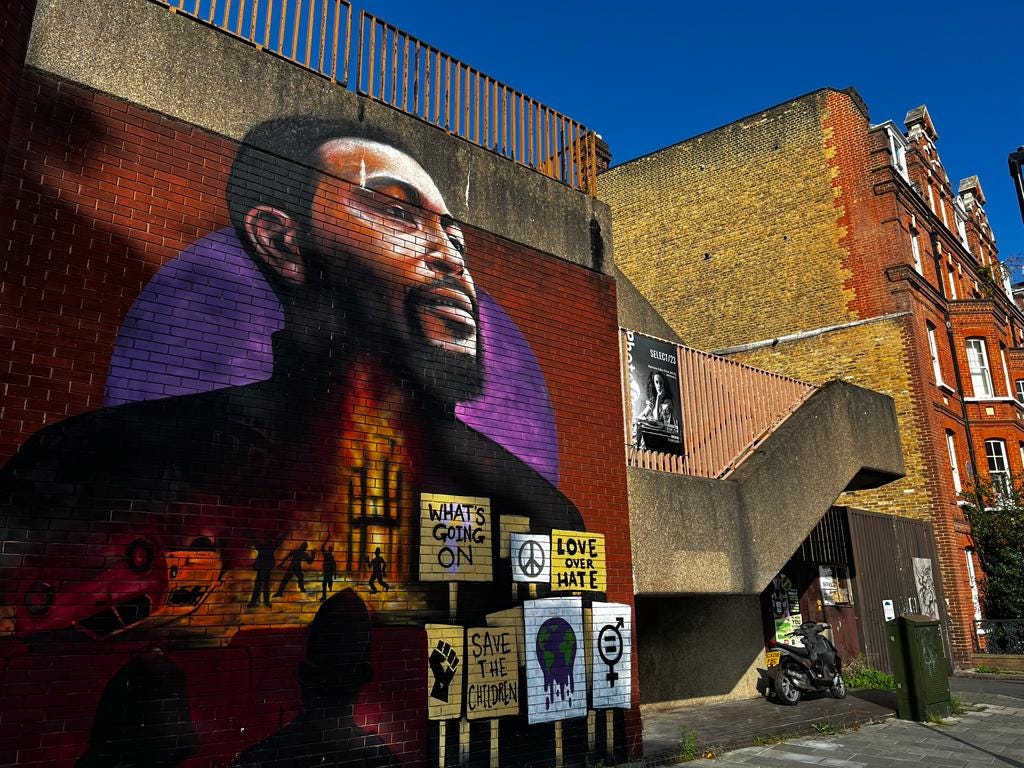
Louise’s absolute favourite blog was on inequality, mainly because every time she re-reads it, Marvin Gaye songs get stuck in her head. But the topic is deadly serious so we returned to it, setting out how these unequal impacts can start even before birth. She also loved the posts about art including necklaces at Bletchley and a whole online exhibition, remembering that people engage with data and information in different ways. And Sacha’s favourite blog is actually this one - he loved looking back over the past year at all the things we have been involved in.
None of this would have been possible if we weren’t part of the Breathe London network. We’ve talked about this throughout, but particularly when we first met our partners in crime and when we met again at Bloomberg offices. Louise has expanded her band of merry air quality warriors through her work at Zinc. More to come on what the newly incorporated Air Aware Labs will be doing!
What’s in a name
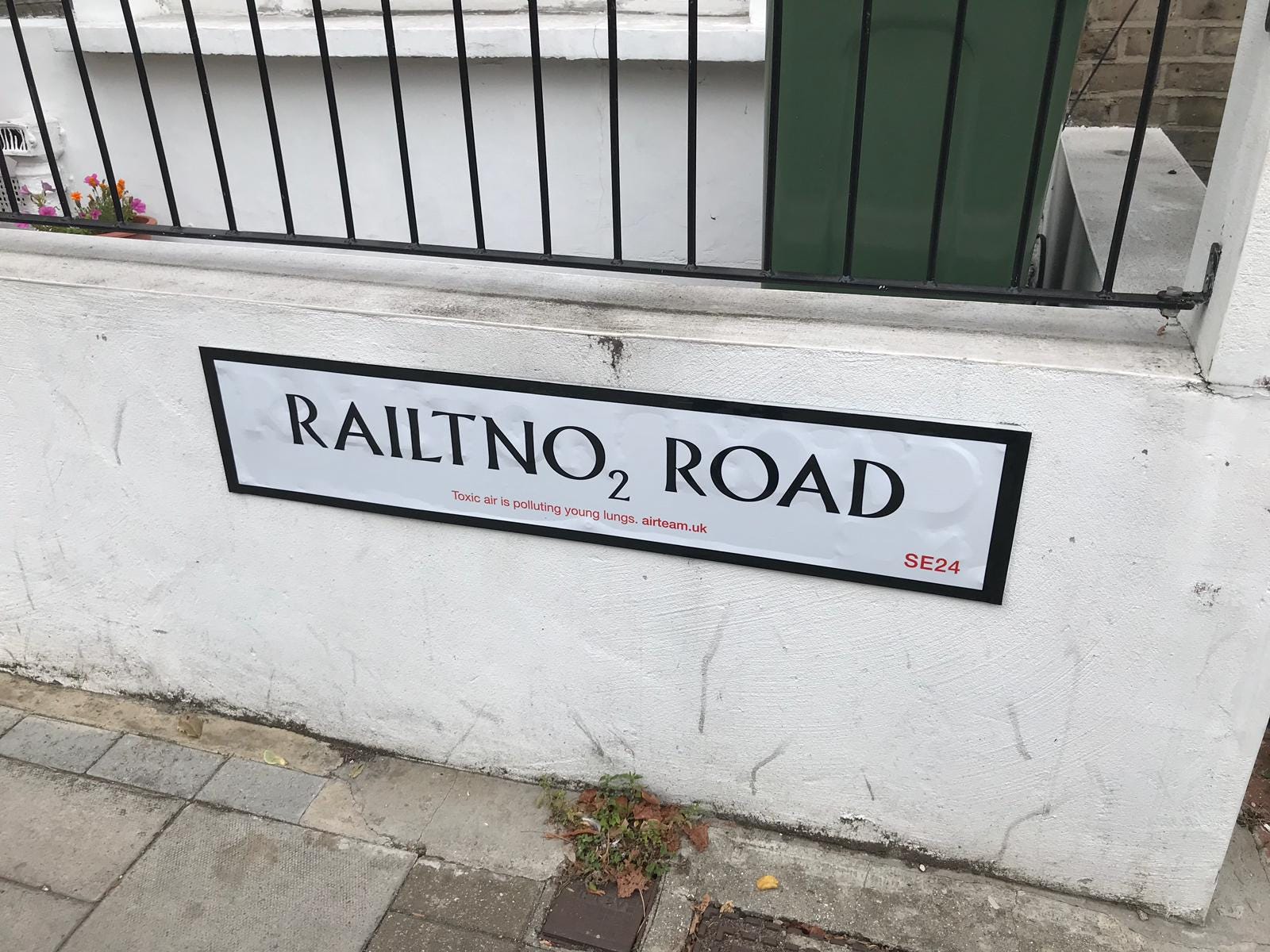
Now the fun part. We love thinking of fun titles - we admit we spend rather too long on that part of blogging! Some of our favourites are: WHO can you count on, Airmergency on Planet Earth, No to NO2, COPing strategies, Show and Telraam, Literairy Supplement, To EV or not to EV and Air Inequality. And the one that got away - Plan for AQtion (might have got more clicks than Air Quality Action Plans!)
Finally, thank you to you, our dear readers. When we started this, we had no idea who would be interested. We’re now over 100 subscribers. (If you want even more from us, Louise has a fortnightly newsletter on Linked In about her Air Aware Labs work). As someone said to us this week, we should all be Air Aware!
*Cleaner and Greener, the Bromley charity that inspired us, is fundraising. Please consider donating!
Absolutely fantastic ride through the year. You guys are just awesome. I love a good pun so totally appreciate the time spent on the headlines too! 👌